Regent — Slay the Spire 2 Character Guide
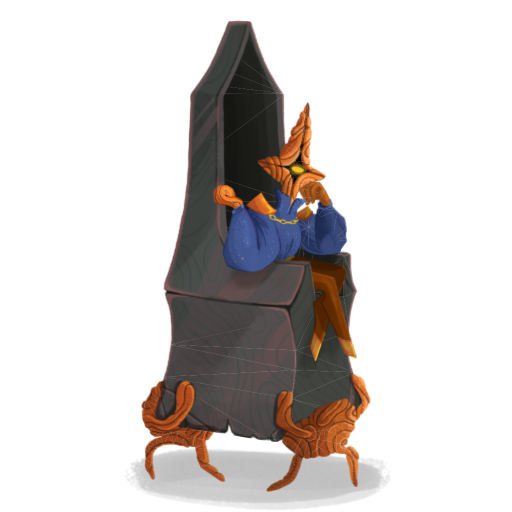
“Heir to the Throne of Stars. Wields cosmic powers but his minions do the work.”
The Regent balances a unique Stars resource alongside Energy. Stars are permanent until spent, with theoretically unlimited stockpiling. His Forge mechanic and star-powered abilities offer insane scaling potential.
Resource System: Dual Resource: Energy (3 per turn) and Stars (permanent, generated by cards). Cards may cost Energy, Stars, or both. Mismanaging Stars leads to dead turns.
Unlock: Play a run as the Silent.
Best For: Experienced players seeking resource management depth. The dual-resource system rewards precise decision-making.
Regent Core Mechanics — Detailed Breakdown
The Regent is one of two brand-new characters exclusive to Slay the Spire 2, and he introduces the most unique resource system in the game: Stars. While every character manages Energy (which resets to 3 each turn), the Regent also generates and spends Stars — a persistent secondary currency that does not reset between turns. This dual-resource system fundamentally changes how you evaluate cards, plan turns, and build your deck. Cards may cost Energy only, Stars only, both Energy and Stars, or generate Stars as part of their effect. Mastering the interplay between these two resources is the key to unlocking the Regent's devastating potential.
Stars are generated through specific cards like Falling Star, Venerate, and various power cards that produce Stars each turn. Unlike Energy, Stars stockpile without limit — if you generate 3 Stars per turn and don't spend any, you'll have 9 Stars by turn 3. This stockpiling mechanic enables explosive burst turns where you spend a massive Star reserve on powerful effects. Cards like Seven Stars (costs 7 Stars) and Stardust deal massive damage proportional to Stars spent. The tension between generating Stars, hoarding them for burst turns, and spending them on incremental value creates a rich decision space that rewards forward planning.
The Forge mechanic is the Regent's most iconic feature.
Sovereign Blade is an Innate 2-cost Attack that starts in your hand every combat. On its own, it's a solid single-target attack. But every time you play a Forge card (Seeking Edge, Conqueror, and others), Sovereign Blade permanently gains damage for the rest of combat. With enough Forge stacks, Sovereign Blade transforms from a decent attack into a fight-ending nuke that deals 50, 100, or even 200+ damage in a single play. The Forge archetype is the Regent's most straightforward build path and a good starting point for new Regent players.
The Regent also has unique interactions with colorless cards — cards that don't belong to any specific character.
Certain Regent powers can generate random colorless cards in your hand each turn, and the Regent's kit includes cards that gain bonuses when you play colorless cards. This adds another dimension to deckbuilding: instead of only looking at Regent-specific card rewards, you can also value colorless card offerings from shops and events more highly. Apotheosis (upgrade all cards in your deck) is particularly powerful on the Regent because his large card pool benefits enormously from upgrades.
The Regent's Energy generation capabilities are uniquely strong.
While other characters are typically locked to 3 Energy per turn plus occasional potions, the Regent has multiple cards and powers that generate additional Energy. This means in the best case, the Regent can play more total cards per turn than any other character — provided he has the Stars to fuel his Star-cost cards. When Stars and Energy align perfectly, the Regent creates the most explosive single turns in Slay the Spire 2, chaining card after card in devastating combos that eliminate enemies before they can respond.
Regent Playstyle & Strategy Tips
The simplest build revolves around Forge — use Seeking Edge, Conqueror, and Falling Star to power up Sovereign Blade into a virtual apocalypse. Alternatively, focus on high Star generation with Powers that add bonuses when building or spending Stars (like Black Hole). Stockpile Stars, then burn them all on high-end rares like Seven Stars or Stardust for massive burst. Child of the Stars is critical for late-game Block.
The Regent starts with Regent Strike, Regent Defend, Falling Star, Venerate, and Sovereign Blade (Innate). Falling Star deals damage and generates Stars. Venerate generates Stars and provides a small buff. Sovereign Blade is your primary attack that grows via Forge. Your early priority is finding Forge cards to power up Sovereign Blade, and Star generation to fuel your Star-cost cards.
Regent Traits & Abilities Explained
Star Resource
Stars are the Regent's defining mechanic. They're a persistent secondary resource that does not reset between turns — generate Stars, stockpile them, then spend them on powerful effects. Cards like Falling Star (+2 Stars), Venerate (+Stars on play), and various powers produce Stars automatically. Star-cost cards like Seven Stars (massive damage for 7 Stars) and Constellation (AoE for Stars) are the payoffs. The strategic depth comes from deciding when to generate, when to hoard, and when to spend.
Forge Mechanic
Forge permanently upgrades Sovereign Blade's damage during combat. Sovereign Blade is Innate (always in your opening hand), costs 2 Energy, and starts as a solid single-target attack. Each Forge point adds damage to it. Cards like Seeking Edge and Conqueror apply Forge when played. With 5+ Forge stacks, Sovereign Blade becomes the single hardest-hitting card in the game. The Forge archetype is the Regent's signature build and the most satisfying payoff when it comes together.
Energy Generation
The Regent has more ways to generate extra Energy than any other character. Several cards and powers produce Energy as a secondary effect, and Star-cost-only cards don't require Energy at all, effectively giving you 'free' plays. When your Star engine is running and Energy generation powers are active, the Regent can play 6-8 cards per turn where other characters play 3-4. This card throughput advantage is the Regent's hidden strength.
Cosmic Scaling
The Regent's scaling is uniquely front-loaded — instead of gradually building Strength or Focus over many turns, the Regent can stockpile Stars for several turns and then unleash everything in a single devastating burst. This 'save and spend' pattern means the Regent can one-shot bosses that other characters need multiple turns to defeat, provided the setup phase goes smoothly.
Sovereign Blade
An Innate 2-cost Attack unique to the Regent. Sovereign Blade is always in your opening hand and deals base damage that increases permanently with each Forge application. It's the centerpiece of the Forge archetype — build it up over the first few turns, then use it as a repeatable high-damage finisher for the rest of the fight. Upgraded, it gains additional base damage and scaling.
Regent Strengths & Weaknesses
Strengths
Explosive Burst Potential
By stockpiling Stars over multiple turns, the Regent can unleash devastating burst damage in a single turn. Seven Stars or a fully-Forged Sovereign Blade can deal 100+ damage in one play. This burst potential lets the Regent skip the gradual scaling that other characters require and end fights abruptly.
Sovereign Blade Scales Infinitely
Forge permanently increases Sovereign Blade's damage during combat, with no upper limit. In long fights (especially boss encounters), a Sovereign Blade with 10+ Forge stacks becomes a 50+ damage attack that you can play every time it cycles into your hand. This reliable, repeating damage source is unique to the Regent.
Highest Card Throughput
The Regent's Energy generation powers and Star-only-cost cards let him play more total cards per turn than any other character. Playing 6-8 cards in a turn where other characters play 3-4 means more damage, more Block, and more setup every single turn.
Flexible Resource Conversion
Stars convert into damage, Block, draw, and Energy through various cards. This flexibility means the Regent can adapt his Star spending to whatever the current fight demands — burst damage against bosses, AoE against hallway fights, or Block against dangerous enemies.
Weaknesses
Dual Resource Mismanagement Is Punishing
Having Stars but no Energy means you can't play Energy-cost cards. Having Energy but no Stars means you can't play Star-cost cards. Dead hands where your resources don't match your cards feel terrible and can cost you fights. The Regent requires more planning than any other character to avoid resource mismatches.
Slow Setup Phase
The Regent needs to generate Stars before he can spend them. The first 1-2 turns of each fight are usually spent setting up Star generation rather than dealing meaningful damage or gaining significant defense. Against aggressive enemies that hit hard from turn 1, this setup time can be dangerous.
Forge Builds Need Specific Cards
The Forge archetype requires Seeking Edge and/or Conqueror to function. Without these specific cards, Sovereign Blade stays at base damage and never scales into its devastating late-fight potential. If Forge cards don't appear in rewards, the Regent needs to pivot to a Star-spending strategy instead.
Weaker Defensive Suite
Compared to Frost Orbs (Defect), Wraith Form (Silent), or Burning Blood (Ironclad), the Regent's defensive options are less consistent. Child of the Stars is good but requires Stars. Without a dedicated Star engine for defense, the Regent is vulnerable to sustained pressure.
Regent Starting Deck Strategy
The Regent starts with Regent Strike, Regent Defend, Falling Star, Venerate, and Sovereign Blade (Innate). Falling Star deals damage and generates Stars. Venerate generates Stars and provides a small buff. Sovereign Blade is your primary attack that grows via Forge. Your early priority is finding Forge cards to power up Sovereign Blade, and Star generation to fuel your Star-cost cards.
Regent Strike
Usage
Basic attack dealing 6 damage. Similar to other characters' Strikes — functional but quickly outclassed by Sovereign Blade and Star-powered attacks.
Upgrade Priority
Very Low. Sovereign Blade and Forge cards are vastly more important upgrade targets.
When to Replace
Remove at shops early. Your damage comes from Sovereign Blade and Star-cost cards, not basic Strikes.
Regent Defend
Usage
Basic 5-Block skill. Standard defensive option. Replaced by Star-powered defensive cards and Child of the Stars as the run progresses.
Upgrade Priority
Low. Defend+ is fine but unexciting compared to upgrading Forge or Star-generation cards.
When to Replace
Replace with Star-generating defensive cards or Child of the Stars. Keep 2-3 until you have alternatives.
Usage
Deals damage and generates 2 Stars. Your primary early Star source. Play it to build Star reserves while dealing moderate damage.
Upgrade Priority
Medium-High. Falling Star+ generates more Stars, accelerating your Star engine. Worth upgrading early.
When to Replace
Keep long-term. Star generation is always useful, and dealing damage while generating Stars is excellent efficiency.
Usage
Generates Stars and provides a small buff. Pure Star generation card that builds your reserve for burst turns.
Upgrade Priority
Medium. Venerate+ generates additional Stars. Good upgrade when you don't have better targets.
When to Replace
Keep in most builds. Consistent Star generation fuels your entire strategy.
Starting Deck

Regent Card Tier List — Must Pick, Great, Situational & Skip


Black Hole
Powerful Star-interacting power card that provides scaling bonuses when you generate or spend Stars. The engine card that ties the Regent's kit together.



Seeking Edge
Applies Forge to Sovereign Blade while providing immediate combat value. The most important Forge source — always pick it.


Conqueror
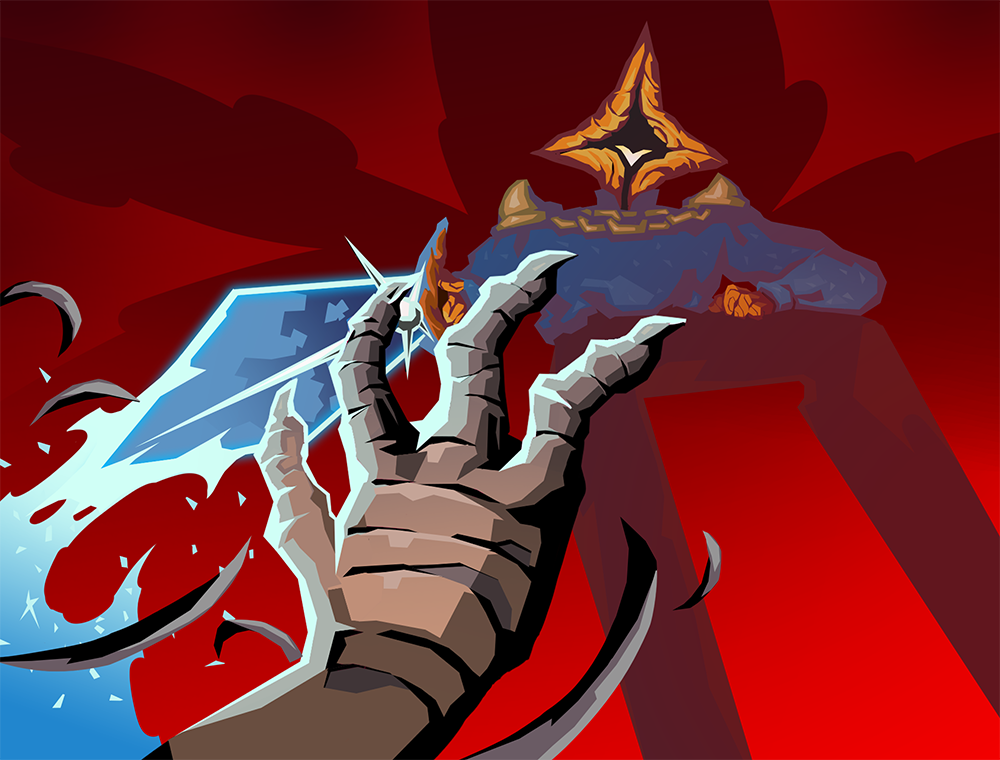
Deals damage and applies Forge. Combines immediate offensive value with Sovereign Blade scaling. Core card for Forge builds.



Seven Stars
Costs 7 Stars. Deals devastating damage proportional to investment. The ultimate payoff for Star-hoarding strategies.

Child of the Stars
Critical for late-game Block generation. Provides Star-powered defense that scales with your Star engine.


Stardust
Deals damage based on Stars spent. Flexible Star-to-damage conversion that scales with your Star generation.
Constellation
AoE Star-cost card. Excellent for multi-enemy fights where the Regent sometimes struggles.



Sovereign Blade
Already in your deck — but upgrading it is incredibly impactful. Upgraded Sovereign Blade has higher base damage and better Forge scaling.
Forged Blade
The Regent's floating blade that hits hard and can follow you between fights. Powerful persistent damage source.
Star Weaver
Generates Stars while drawing cards. Combines two things the Regent always wants: Stars and card cycle.
Cosmic Ray
High-damage Star-cost attack. Efficient damage per Star spent, making it a consistent inclusion.



Apotheosis
Upgrades all cards in your deck. More impactful on the Regent than other characters due to his large card pool and upgrade-sensitive cards.
Eclipse
Powerful but expensive. Requires both high Energy and Stars to use effectively. Game-ending when resources align.
Nova
AoE that interacts with Stars. Strong against multi-enemy fights but underwhelming in 1v1 boss encounters.
Throne Room
Plays a card twice. Devastating with Sovereign Blade or Seven Stars but dead if drawn without good targets.
Stockpile
Generates Stars but doesn't contribute to immediate combat. Only good if your Star economy is weak.
Dim Star
Weak Star generation with minimal combat impact. Better Star sources exist.
Royal Guard
Basic defensive card that doesn't interact with Stars or Forge meaningfully. Outclassed by Child of the Stars.
Fading Light
Conditional card that requires specific board states. Too inconsistent for reliable strategies.
Star Fragment
Low-impact Star card. Generates too few Stars to justify a deck slot.
Best Relics for Regent
Bird-Faced Urn
Whenever you play a Power card, heal 2 HP.
Heal 2 HP whenever you play a Power. The Regent plays multiple Powers per run — free healing adds up quickly.
Art of War
If you do not play any Attacks during your turn, gain an additional Energy next turn.
Gain 1 extra Energy if you don't play any Attacks this turn. Useful for setup turns where you generate Stars and play Powers.

Ice Cream
Energy is now conserved between turns.
Unspent Energy carries over between turns. Combined with the Regent's Energy generation, this enables explosive multi-Energy turns.

Mummified Hand
Whenever you play a Power, a random card in your Hand is free to play that turn.
When you play a Power, a random card in your hand costs 0 this turn. The Regent plays many Powers, making this trigger frequently.

Ornamental Fan
Every time you play 3 Attacks in a single turn, gain 4 Block.
Gain 4 Block whenever you play 3 Attacks in a turn. Sovereign Blade + Forge cards often hit this threshold.

Vajra
Start each combat with 1 Strength.
+1 Strength at combat start. Directly increases Sovereign Blade's damage, which stacks with Forge bonuses.
Regent Ascension Tips — How to Push Higher Ascension Levels
At Ascension 1+, Forge becomes your safest strategy. Sovereign Blade + Forge cards provide reliable damage scaling without requiring complex Star management. Learn Forge first, then explore Star builds.
Ascension 5+ makes Act 1 Elites significantly harder. The Regent should prioritize Falling Star and Venerate early for Star generation, and avoid Elites until Sovereign Blade has at least 2-3 Forge stacks.
At Ascension 10+, balancing offense and defense becomes critical. Don't neglect Child of the Stars — without it, the Regent struggles to survive Act 2 multi-attack enemies.
Ascension 15+ requires more aggressive Star generation. Look for Star-producing powers that generate Stars each turn automatically, reducing the need to spend cards on Star generation.
For Ascension 18+, the Star-burst strategy (hoard Stars, then spend everything in one turn) becomes less reliable because fights are too dangerous to spend multiple turns generating. Forge builds are safer at the highest Ascensions.
At the highest Ascensions, Ice Cream relic (Energy carries over) is a massive power spike for the Regent. It eliminates wasted Energy and enables explosive turns where you have 5+ Energy plus a large Star reserve.
Recommended Regent Builds
Regent Forge Build
Power up Sovereign Blade through Forge effects until each swing becomes a virtual apocalypse. The Regent's most consistent and straightforward scaling archetype — Forge your weapon, then destroy everything.
Seeking EdgeConqueror Falling Star
 Sword Sage
The Regent starts every fight with Sovereign Blade (Innate, 2 Energy, deals base damage). Forge cards permanently increase Sovereign Blade's damage for the rest of combat. Seeking Edge, Conqueror, and Beat Into Shape all add Forge stacks. Once Sovereign Blade has +30 Forge, it one-shots most enemies. Stars fuel Forge cards and Energy generation, creating a self-sustaining loop.
ARegent Star Burst Build
Stockpile massive amounts of Stars, then unleash them all at once through Stardust or Seven Stars for devastating burst damage. The ultimate 'save up and explode' strategy. One of the biggest dopamine hits in the game.
StardustSeven Stars GlowBlack Hole
Stars are the Regent's unique persistent resource — they don't disappear between turns. This build exploits that by generating Stars rapidly through Powers and Skills, stockpiling 20-30+, then spending them all at once via Stardust (damage per Star spent) or Seven Stars (massive attack that scales with Stars). Black Hole provides passive damage while you accumulate, and Child of the Stars ensures defense during the buildup phase.
ARegent Void Form Build
Bend the rules of resource management with Void Form — end your turn early, but make your first 2 cards free. Combined with Energy conservation and high-value bombs, every turn becomes a surgical strike. The Regent's most cerebral archetype, rewarding perfect card sequencing.
 Void Form
 Big Bang
 Decisions, Decisions
 Convergence
Void Form is a 3-Energy Power that makes your first 2 cards played each turn completely free (both Energy AND Star costs). This unlocks cards like Seven Stars (2 Energy + 7 Stars) and Decisions, Decisions (6 Stars) for zero cost. Convergence retains your hand and gives Energy + Stars next turn, setting up massive Void Form turns. Big Bang gives 1 Energy, 1 Star, 5 Forge, and draws a card — all for 0 Energy with Void Form making other cards free. The build requires careful sequencing to maximize the 2 free plays each turn.
BRegent Bombardment Build
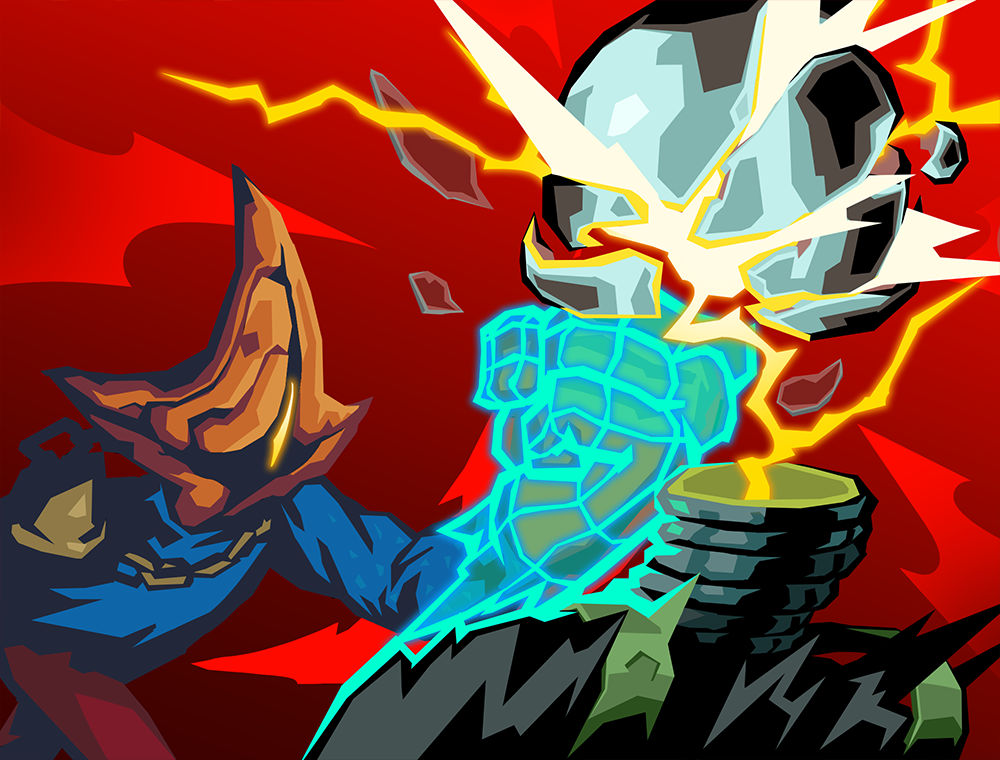
Rain cosmic destruction on all enemies. This AoE-focused build uses Bombardment, Meteor Shower, and Gamma Blast to obliterate groups while Knockout Blow handles single targets. The Regent's most aggressive and straightforward archetype — less engine, more explosions.
 Bombardment
 Meteor Shower
 Gamma Blast
 Knockout Blow
Unlike the patient Star or Forge builds, Bombardment goes on the offensive immediately. Bombardment deals damage to all enemies and adds Forge. Meteor Shower hits all enemies multiple times. Gamma Blast combines Stars with direct AoE damage. Knockout Blow provides single-target burst for elites and bosses. This build doesn't wait for engines to assemble — it frontloads damage to end fights quickly. Stars are used for both damage and Forge, making resource management key.
Regent Cards (88)
All Cards →| Card | Type | Cost | Rarity | Effect |
|---|---|---|---|---|
  | Skill | 1 | Basic | |
| Attack | 0 | Basic | |
 | Attack | 1 | Basic | |
 | Skill | 1 | Basic | |
 | Attack | 0 | Common | |
 | Skill | 1 | Common | |
 | Attack | 2 | Common | |
 | Skill | 0 | Common | |
 | Attack | 0 | Common | |
 | Skill | 1 | Common |
Regent FAQ — Frequently Asked Questions
What is the best Regent build in Slay the Spire 2?
The Forge build centered on Sovereign Blade is the most consistent. Pick up Seeking Edge and Conqueror early to stack Forge, generate Stars with Falling Star and Venerate, and use Child of the Stars for defense. By mid-Act 2, Sovereign Blade should deal 30+ damage per play, scaling further in Act 3.
How do Stars work in Slay the Spire 2?
Stars are the Regent's unique resource. You generate them by playing specific cards (Falling Star, Venerate, various powers). Stars persist between turns — they don't reset. You spend Stars by playing Star-cost cards, which show a blue star icon. Some cards cost Energy + Stars, some cost only Stars, and some generate Stars as an effect.
Should I hoard Stars or spend them immediately?
It depends on the fight. Against regular enemies, spend Stars incrementally for consistent damage and defense. Against bosses, consider hoarding for 2-3 turns and then unleashing a massive burst with Seven Stars or Stardust. The key is matching your Star-spending pace to the enemy's threat level — don't hoard against enemies that will kill you while you're saving up.
What makes the Regent different from other characters?
The Regent is the only character with a dual-resource system (Energy + Stars). This creates a unique deckbuilding challenge where you need to balance Star generation, Star spending, and Energy management. He also has the Forge mechanic for Sovereign Blade, the highest Energy generation potential, and colorless card synergies that other characters lack.
Is the Regent good for beginners?
No. The Regent is rated Advanced difficulty. His dual-resource system, Forge management, and Star economy create complexity that can overwhelm new players. Start with the Ironclad to learn Slay the Spire basics, then progress through the Silent before attempting the Regent.
How do I recover from a bad Star economy?
If you're short on Stars mid-fight, pivot to Energy-only cards and use your next few turns playing Star-generation cards like Falling Star and Venerate. Star-generating powers that produce Stars each turn can also recover a bad Star economy over a few turns. The key is not panicking — one or two Star-generation turns usually gets you back on track.
Quick Facts
- Tier
- A
- Difficulty
- Advanced
- Starting HP
- 75
- Starting Relic
- Divine Right
- Total Cards
- 88
- Total Builds
- 4
- Unlock
- Play a run as the Silent.