
All Slay the Spire 2 Characters — Complete Character Guide
Explore every playable character in Slay the Spire 2. Each character offers a unique playstyle, starting deck, resource system, and character-specific mechanics. Compare all five characters — Ironclad, Silent, Defect, Regent, and Necrobinder — to find the character that best suits your strategy and begin your ascent.
Character Guide Shortcuts
Jump directly into the five character guide pages that capture the main search intent around each playable class.
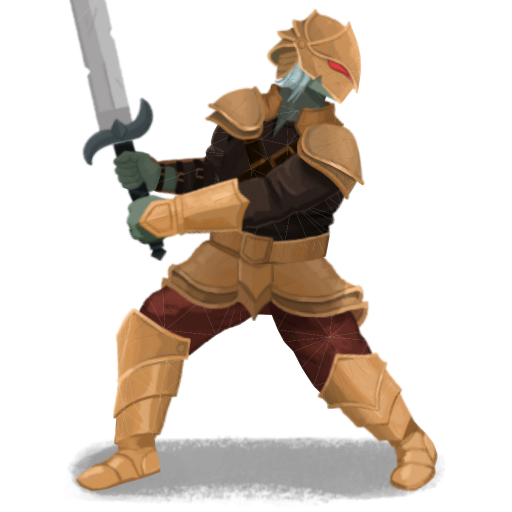
Ironclad Guide
Ironclad
Targeted for players searching slay the spire 2 ironclad guide, with builds, card priority, and boss plans.
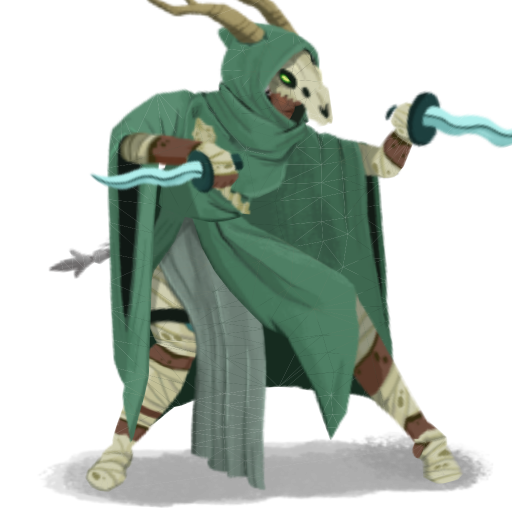
Silent Guide
Silent
Covers poison, Sly discard, Grand Finale lines, and the best Silent build pivots for real runs.

Defect Guide
Defect
Focus, orb timing, frost stability, and claw or scaling branches for slay the spire 2 defect guide traffic.
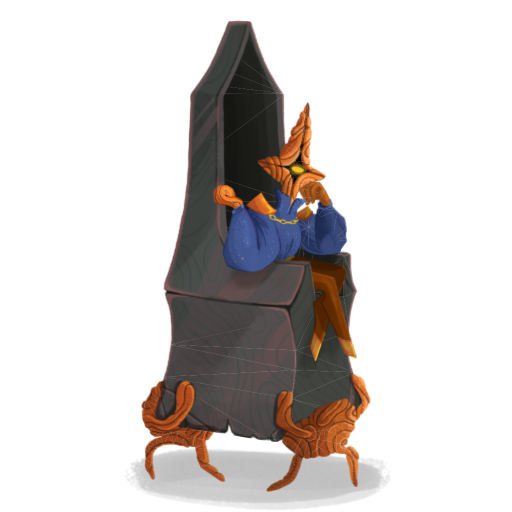
Regent Guide
Regent
Explains stars, forge sequencing, and how to turn Regent's dual-resource kit into consistent boss kills.
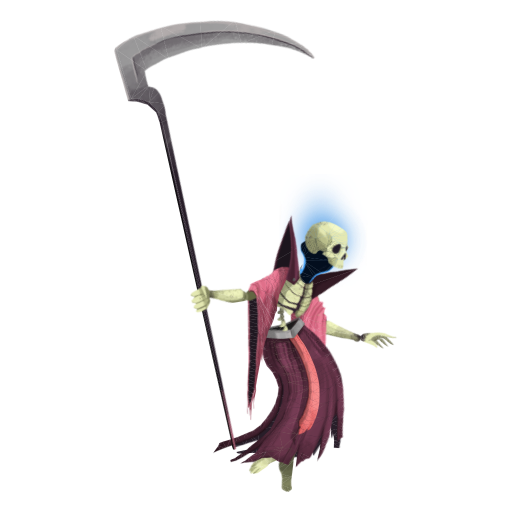
Necrobinder Guide
Necrobinder
Breaks down Osty management, Doom thresholds, and soul engines for the hardest character on the roster.
Character Comparison Table — Tier, Difficulty, Resources & Best Character Builds
| Character | HP | Difficulty | Core Resource | Best Build | Recommendation |
|---|---|---|---|---|---|
| Ironclad | 80 | Beginner | Energy Only | Ironclad Strength Build | |
| Silent | 70 | Intermediate | Energy + Sly | Silent Poison Build | |
| Defect | 75 | Advanced | Energy + Orbs + Focus | Defect Lightning Build | |
| Regent | 75 | Advanced | Energy + Stars | Regent Forge Build | |
| Necrobinder | 66 | Expert | Energy + Osty HP + Souls | Necrobinder Osty Build |
Character Unlock Order in Slay the Spire 2
Characters unlock sequentially by playing a run with the previous character. You do not need to win — simply starting a run is enough to unlock the next character.
All Slay the Spire 2 Characters — In-Depth Character Profiles
Dive into each character's strengths, weaknesses, signature mechanics, and recommended character builds. Click any character card below to see the full character guide with detailed strategies.
Silent
Intermediate“A huntress from outside the Spire. Ready to stab and poison anything in her way.”
A deadly huntress who employs poison, shivs, and cunning to eliminate foes. Masters of card draw, discard manipulation, and multiple consistent archetypes that mesh together extremely well.
Resource: Standard Energy (3 per turn). Sly keyword turns discards into free plays — an unofficial second resource.
Defect
Advanced“An automaton eternally modifying itself to survive. Deploys Orb technology when it must fight.”
An ancient combat automaton that channels elemental Orbs — Lightning, Frost, Dark, Glass, and Plasma — for versatile strategies. Returns from StS1 with a familiar toolkit and is considered one of the most consistent characters.
Resource: Standard Energy (3 per turn) plus Orb Slots (start with 3). Orbs act as persistent passive and active resources. Focus amplifies all orb effects.
Ironclad
Beginner“The last soldier of the Ironclads. Crushes foes with sword and flame against his will.”
A battle-hardened warrior who sold his soul to harness demonic power. Excels at raw strength and self-healing through combat. His Burning Blood relic restores 6 HP after every fight, making him forgiving for newer players.
Resource: Standard Energy (3 per turn). No secondary resource — pure strength and block management.
Regent
Advanced“Heir to the Throne of Stars. Wields cosmic powers but his minions do the work.”
The Regent balances a unique Stars resource alongside Energy. Stars are permanent until spent, with theoretically unlimited stockpiling. His Forge mechanic and star-powered abilities offer insane scaling potential.
Resource: Dual Resource: Energy (3 per turn) and Stars (permanent, generated by cards). Cards may cost Energy, Stars, or both. Mismanaging Stars leads to dead turns.
Necrobinder
Expert“A Spireborn lich who seeks revenge. Calls upon her trusty left hand, Osty, in combat.”
A Spireborn lich with her loyal bodyguard Osty. Osty blocks attacks for you, creating an extra HP layer. The Necrobinder offers doom, ethereal, and summon archetypes — high ceiling but a steep learning curve.
Resource: Standard Energy (3 per turn) plus Osty's HP (separate health bar that absorbs damage). Souls serve as a secondary engine for draw and damage.
Which Slay the Spire 2 Character Should You Play? — Character Selection Guide by Experience Level
Not sure which character to main? Use our character selection guide to find the best character for your skill level. Each character rewards a different approach — pick the character that matches your preferred playstyle.
Brand New to Deckbuilders
The Ironclad's 80 HP pool and Burning Blood relic (heals 6 HP after every combat) give you the most room for mistakes. His straightforward Strength-stacking gameplan teaches core Slay the Spire concepts like when to block vs. when to attack, how to evaluate card rewards, and when to skip cards to keep your deck lean. Start here, learn the enemy patterns, and move on once you can comfortably beat Act 3.
Played StS1 or Other Roguelikes
The Silent introduces you to Slay the Spire 2's new mechanics like the Sly keyword while staying relatively familiar if you've played the first game. Her poison archetype teaches long-term damage planning, and shivs teach you about card generation and multi-hit scaling. If you're rusty, start with the Ironclad for a refresher, then jump to the Silent.
Comfortable with StS2 Basics
Both the Defect and Regent demand understanding of secondary resource systems. The Defect requires managing Orb slots, Focus, and Evoke timing. The Regent requires balancing Stars alongside Energy. These characters punish misplays more heavily but reward mastery with some of the strongest endgame builds in the game.
Veteran / Ascension Pusher
The Necrobinder has the lowest HP (66), the steepest learning curve, and three interlocking systems (Osty management, Doom stacking, Soul generation). However, a mastered Necrobinder can trivialize encounters that other characters struggle with. Doom bypasses massive HP pools, and Osty provides a damage soak that no other character can replicate.
Character Unlock Path — Recommended Order & Starter Character Builds for Every Character
Beginner Build
Pick up Inflame and Demon Form for Strength scaling. Grab Body Slam for defense-to-offense conversion. Upgrade Bash early for 3 Vulnerable turns. Remove Strikes at shops to thin your deck.
Tips
Your Burning Blood heals 6 HP per fight. This means you can afford to take some damage to kill enemies faster. Don't be afraid to path through elites in Act 1 — the relics are worth the HP investment.
Beginner Build
Prioritize Noxious Fumes for passive poison application. Add Bouncing Flask and Deadly Poison for burst poison. Keep your deck small and let poison do the work while you block.
Tips
Ring of the Snake gives you 2 extra cards on turn 1. Use this advantage to set up powers early. The Sly keyword lets you play discarded cards for free — look for synergies with Survivor and cycle effects.
Beginner Build
Focus on Forge cards to upgrade your Sovereign Blade. Use Falling Star and Venerate to generate Stars. The Forge archetype is the most straightforward Regent strategy for beginners.
Tips
Stars persist between turns — don't feel pressured to spend them immediately. However, also don't hoard so many Stars that you run out of Energy. Balance is key. Your Sovereign Blade is Innate, so you'll always draw it turn 1.
Beginner Build
Prioritize Grave Warden (best common card) for Soul generation. Use Bodyguard and summon effects to keep Osty alive. Focus on a Doom build — it's more straightforward than pure Osty strategies.
Tips
Osty takes hits for you but starts at 1 HP. Summon effects add HP to Osty. If Osty dies, the next Summon effect revives it. Doom kills enemies when Doom ≥ remaining HP. Upgrade Grave Warden as a priority.
Beginner Build
Stack Focus with Defragment (the most important card). Fill orb slots with Frost for defense and Lightning for damage. Capacitor adds more orb slots. Glacier is an excellent early pickup.
Tips
Your Cracked Core starts you with a Lightning orb. Focus increases ALL orb passive and evoke effects. Prioritize Focus over orb quantity early on. One orb with high Focus outperforms many orbs with no Focus.
Slay the Spire 2 Character Mechanics Glossary — Essential Terms for Every Character
Strength
A buff that increases attack damage by its value. Applies to every single hit of multi-hit attacks, making it extremely powerful with cards like Heavy Blade or Whirlwind. Can be gained through cards like Inflame, Demon Form, and Limit Break.
Poison
A debuff that deals damage equal to the Poison amount at the start of the poisoned enemy's turn, then decreases by 1. Poison ignores Block and bypasses armor effects like Plating. Multiple applications stack additively. Used primarily by the Silent.
Orbs
Elemental entities channeled by the Defect that occupy Orb Slots. Each orb has a passive effect (triggers every turn) and an evoke effect (triggers when the orb is pushed out or manually evoked). Types: Lightning (damage), Frost (block), Dark (stored damage), Glass (AoE damage), and Plasma (energy).
Focus
A buff exclusive to the Defect that increases all Orb passive and evoke effects by its value. Focus is the primary scaling stat for Orb builds. Gained through Defragment, Consume, Inserter, and various other cards.
Stars
The Regent's unique secondary resource. Stars are generated by playing certain cards and persist until spent. Unlike Energy, Stars do not reset each turn. Many Regent cards cost both Energy and Stars, and some powerful effects require large Star investments.
Forge
A mechanic exclusive to the Regent that permanently upgrades Sovereign Blade during combat. Each Forge point increases Sovereign Blade's damage, and enough Forge stacks can transform it into a devastating finisher that ends fights in a single play.
Doom
A debuff exclusive to the Necrobinder. When Doom on an enemy equals or exceeds the enemy's current HP, that enemy dies at the end of its next turn. Doom effectively doubles damage output since attacks that deal damage also apply equivalent Doom stacks.
Osty
The Necrobinder's loyal companion summoned at the start of each fight via Die For You. Osty has a separate HP bar and intercepts attacks aimed at the Necrobinder. Summon effects add HP to Osty. Osty's attacks are not affected by the Necrobinder's buffs or debuffs.
Sly
A keyword exclusive to the Silent in Slay the Spire 2. When a card with Sly is discarded (by effects like Survivor or Calculated Gamble), it is played instead of going to the discard pile. This effectively lets you play cards for free through discard effects.
Evoke
The act of removing an Orb from the Defect's orb slots to trigger its active evoke effect. Orbs are evoked automatically when new orbs are channeled into full slots (pushing the leftmost orb out), or manually through cards like Dual Cast.
Block
Temporary defense points that absorb incoming damage before it hits your HP. Block is cleared at the start of your next turn unless you have Retain effects. Block is the primary survival mechanic in Slay the Spire 2 and is generated by skill cards and certain orbs.
Exhaust
When a card is Exhausted, it is removed from the current combat entirely (not just sent to the discard pile). Exhaust can thin your deck mid-fight, and some cards like Feel No Pain or Dark Embrace trigger bonus effects when cards are Exhausted.
Ascension
A difficulty modifier system unlocked by beating a run with a character. Each Ascension level (1-20) adds additional challenges like stronger enemies, reduced healing, more elite encounters, and other modifiers. Ascension progress is tracked per character.
Souls
A mechanic tied to the Necrobinder that enables powerful draw and burst effects. Souls are generated by specific cards like Grave Warden, Reave, and Capture Spirit. Accumulated Souls can be spent on powerful effects or trigger Soul-count-based damage scaling.
Retain
A keyword that allows a card to stay in your hand at the end of your turn instead of being discarded. Retained cards are available next turn without being drawn again. Useful for holding key cards for the right moment.
Frequently Asked Questions About Slay the Spire 2 Characters
What is the best starting character in Slay the Spire 2?
The Ironclad is the best starting character for new players. He has the highest base HP (80), his Burning Blood relic heals 6 HP after every fight, and his Strength-scaling playstyle is the most straightforward to understand. He teaches fundamental Slay the Spire concepts like deck thinning, upgrade priority, and when to take risks.
How do you unlock all characters in Slay the Spire 2?
Characters unlock sequentially by playing (not necessarily winning) a run with the previous character. The unlock order is: Ironclad (available from start) → Silent → Regent → Necrobinder → Defect. You do not need to win the run — simply starting and then abandoning or dying in a run with each character will unlock the next one.
Which Slay the Spire 2 character is the strongest?
The Silent and Defect are generally considered S-tier, meaning they have the highest consistency for winning runs at high Ascension levels. The Silent's Sly discard mechanic and multi-archetype flexibility are extremely powerful, while the Defect's Focus scaling creates nearly unbeatable defensive and offensive engines. However, tier rankings shift as the game receives balance updates during Early Access.
Is the Necrobinder good in Slay the Spire 2?
The Necrobinder is a high-skill-ceiling character rated B-tier. She is not weak — in fact, a well-piloted Necrobinder can trivialize fights that other characters struggle with, thanks to Doom's instant-kill mechanic and Osty's damage absorption. However, her three interlocking systems (Osty, Doom, Souls) make her the hardest character to play consistently, and her 66 starting HP leaves almost no room for error.
What are Stars and how do they work for the Regent?
Stars are the Regent's unique secondary resource. Unlike Energy, which resets to 3 each turn, Stars persist until you spend them. You generate Stars by playing specific cards like Falling Star and Venerate. Many of the Regent's most powerful cards cost both Energy and Stars. The key strategy is balancing Star generation with Star expenditure — hoarding Stars without spending them wastes potential, but spending them too aggressively leaves you unable to play key cards.
How does Doom work in Slay the Spire 2?
Doom is a debuff exclusive to the Necrobinder. When you deal damage that also applies Doom, the enemy accumulates a purple Doom counter on their health bar. If the Doom counter ever equals or exceeds the enemy's current HP, that enemy is marked for death and will die at the end of its next turn. This effectively means your damage is doubled — direct damage reduces HP while Doom builds toward the execution threshold.
Should I skip card rewards in Slay the Spire 2?
Yes, absolutely. Skipping cards that don't fit your strategy is one of the most important skills in Slay the Spire 2. A lean deck cycles through your best cards more frequently. Adding cards that don't synergize with your build dilutes your draws and slows down your strategy. As a general rule, if none of the three offered cards significantly improve your deck, hit the skip button.
What is the difference between the Defect in StS1 and StS2?
The Defect returns in Slay the Spire 2 with his core Orb mechanic intact but with new cards, a new Glass orb type that deals AoE damage, rebalanced Focus scaling, and new power synergies like Subroutine. The Claw archetype also remains viable with updated zero-cost attack cards. Veterans of the first game will feel right at home while discovering new build possibilities.
Slay the Spire 2 Character Design Philosophy — What Makes Each Character Unique
Explore every playable character in Slay the Spire 2. Each character offers a unique playstyle, starting deck, resource system, and character-specific mechanics. Compare all five characters — Ironclad, Silent, Defect, Regent, and Necrobinder — to find the character that best suits your strategy and begin your ascent.
Every character in Slay the Spire 2 is designed to offer a distinct gameplay experience. Whether you prefer the raw power of an aggressive character like Ironclad, the precision of a combo-oriented character like Silent, or the mechanical depth of a scaling character like Defect, there is a character that fits your style. Mastering each character unlocks new strategies, deeper synergies, and higher Ascension clears.